
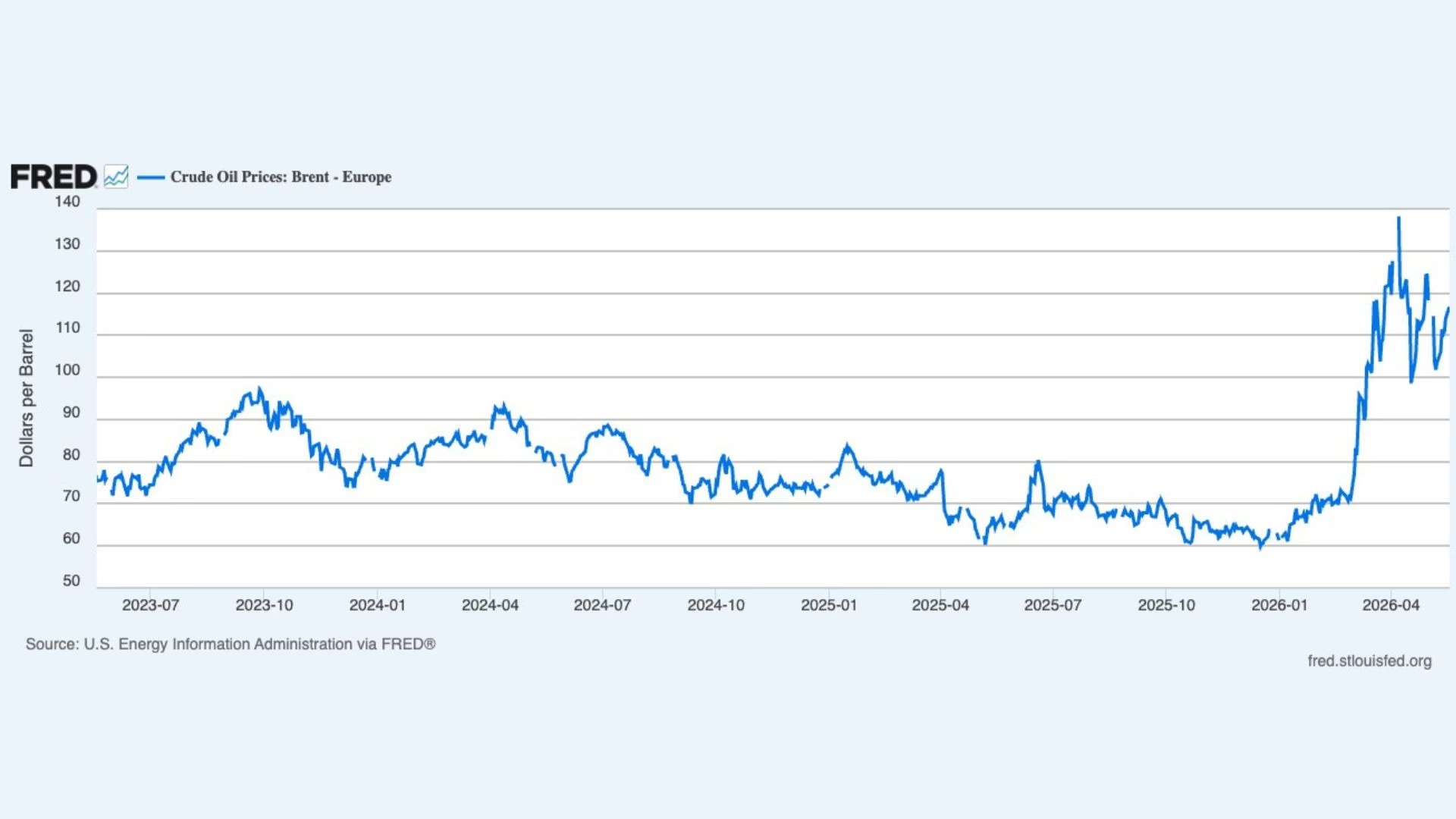
We recently moved into an old house, as in 1777-old. When we took it over in April, we were told that the heater was almost out of oil. Needless to say, right now is not an ideal time to be shopping for heating oil, and since my dear husband is a finance bro with a tiny obstinate streak, he took it as a challenge to explore what almost out meant.
So, two weekends ago, we ran out of oil and, therefore, also heat and hot water. With the moody spring weather in Denmark and in urgent need of a shower after two days of moving furniture around and unpacking boxes, it was a long, chilly, and smelly wait for Monday to get heating oil delivered and Tuesday to get a technician out to help us restart the furnace.
The point of this story is not to make it about me and my old house, but to say that waiting for prices to come down is good advice for those with something left in the tank, but not always feasible for those with none, especially when timing is an issue.
As you might have noticed, not only are oil and gas prices higher than they have been in years (see above), but they are also more volatile (see below). That creates all kinds of risk. There is the immediate risk of having to buy when the price is high, and then there is the risk from the uncertainty of when the price is comparatively high or low and how long it will stay in that state.
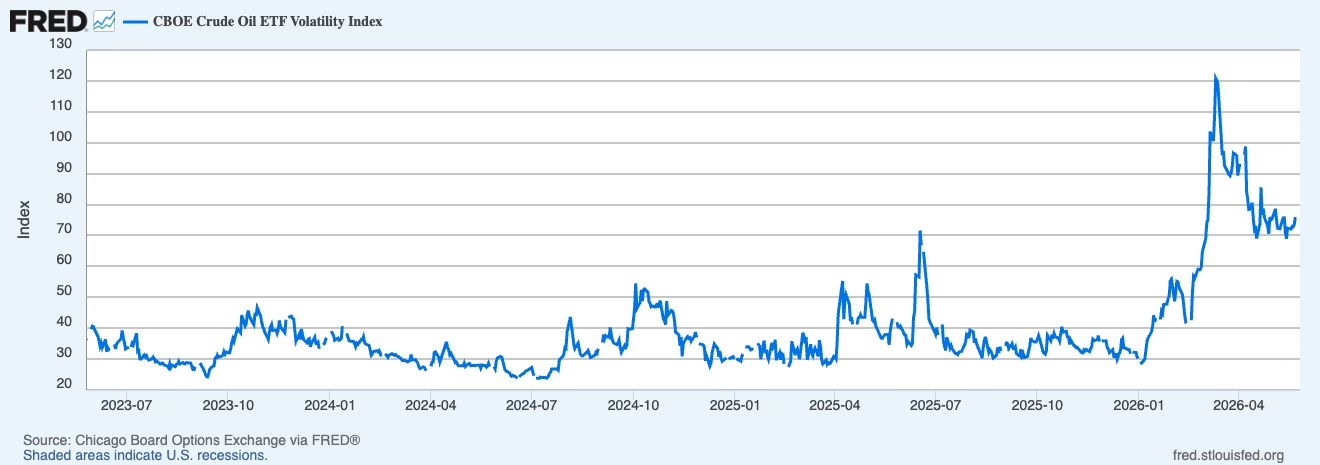
Then come all the possible ripple effects of widespread inflation, higher rates, and unemployment, leading to delinquencies and defaults and eventually to a recession. And that is not mentioning the very physical risk of broken supply chains, missed agricultural schedules, diminished crops, and food insecurity.
Price changes can be severe in themselves, especially when large or lasting. And prices can be sticky when it takes structural changes for the market to absorb. When oil prices are high, EV sales and other substitutions to sustainable energy sources will also increase, but that will only affect the oil price long-term, if at all. As an example, in April, 96.3% of non-commercial car registrations in Denmark were EVs, and though that is unlikely to make a dent in global prices, it is a very real consumer response.
Changes in the pattern of price changes are even trickier. We can manage change when we can predict it, but if the change itself is changing, risk theory can come up short in the face of reality. Another way of saying it is that as long as risk happens around the mean of a normal distribution, we are in good shape, but the further out on the tails (and we are a good bit out now) or if the normal assumption breaks down altogether, then not so much.
And that is when you end up cold and smelly in your new (old) house.
Regitze Ladekarl, FRM, is FRG’s Director of Company Intelligence. She has 25-plus years of experience where finance meets technology.
This article is part of the FRG Risk Report, published weekly on the FRG blog. To read other entries of the Risk Report, visit frgrisk.com/category/risk-report/.